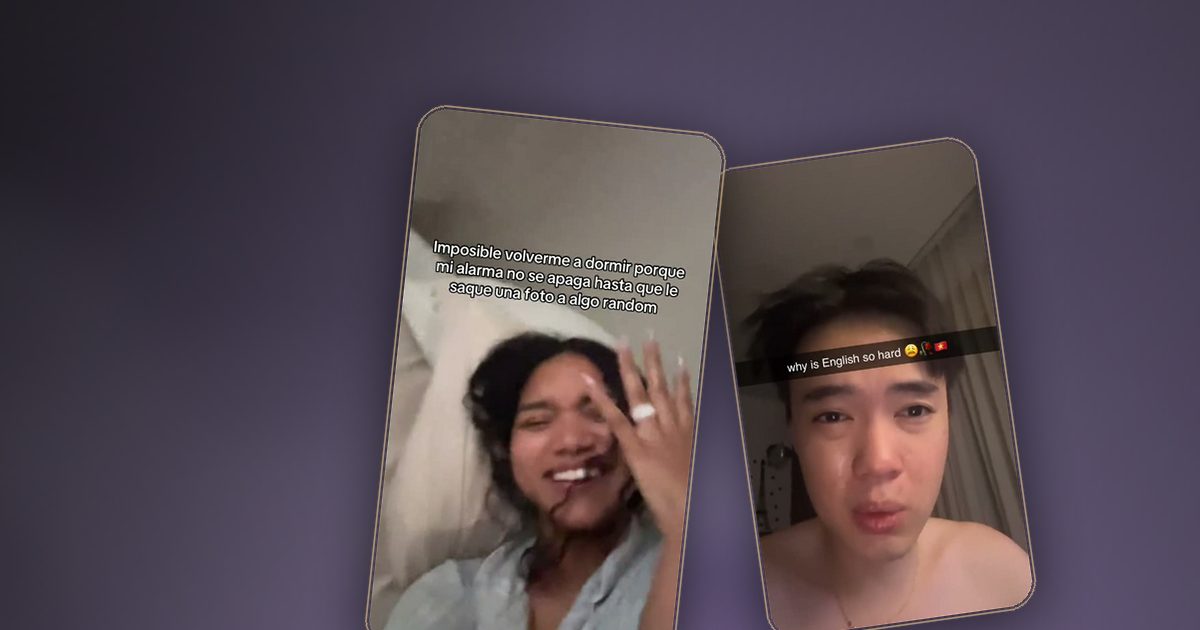
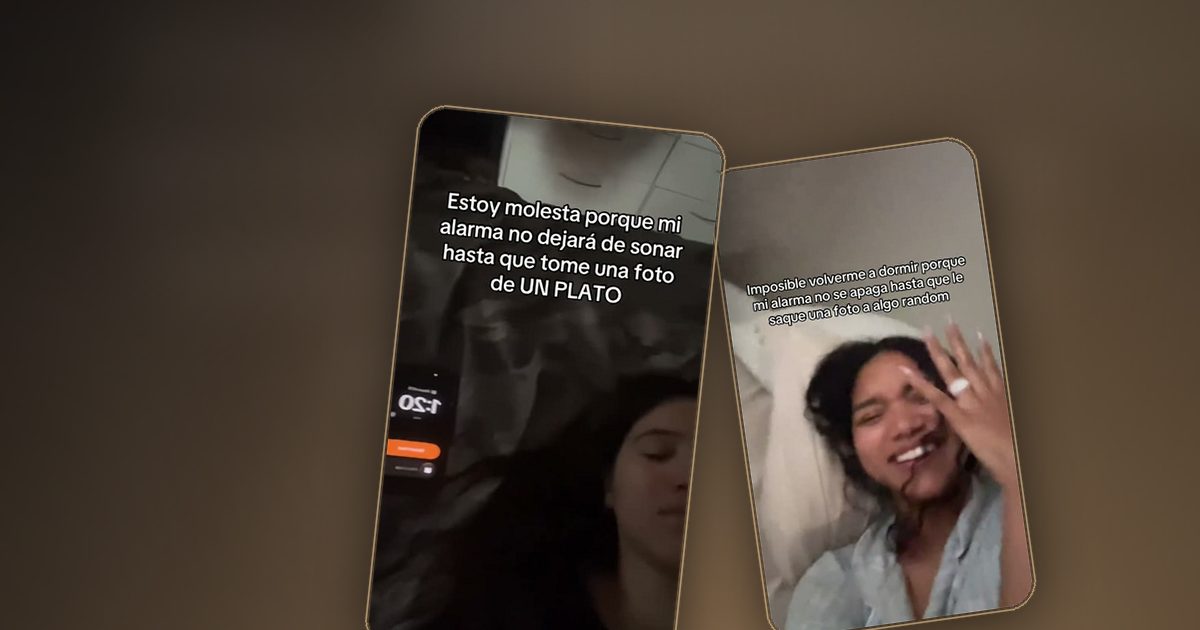
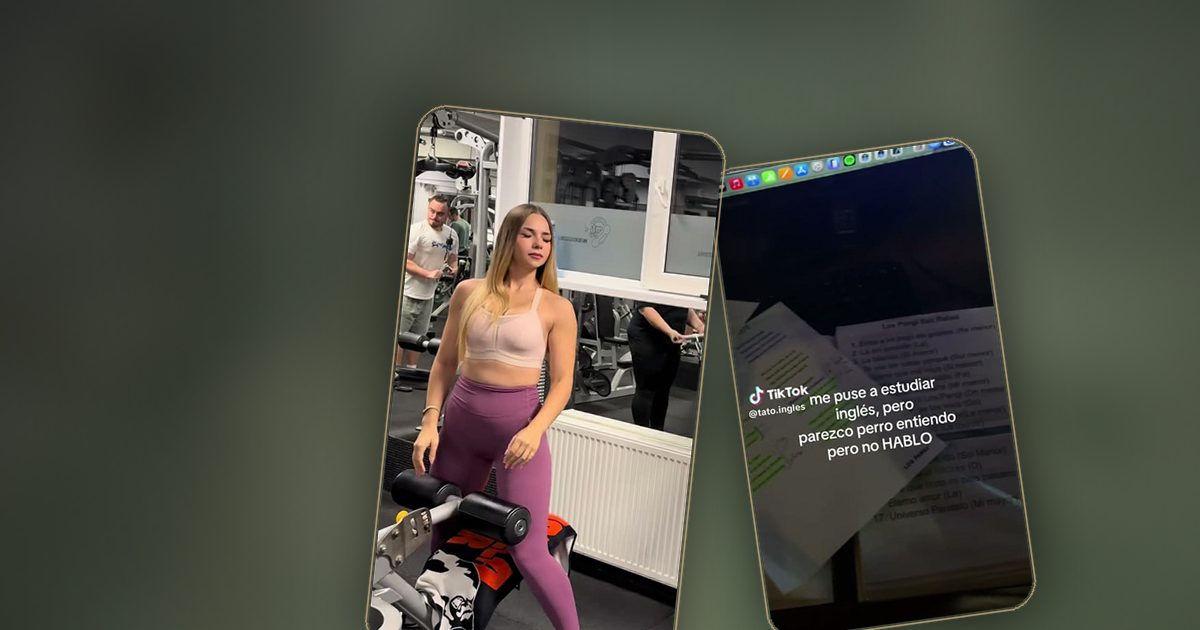
The anatomy of a UGC hook: what happens in the first three seconds
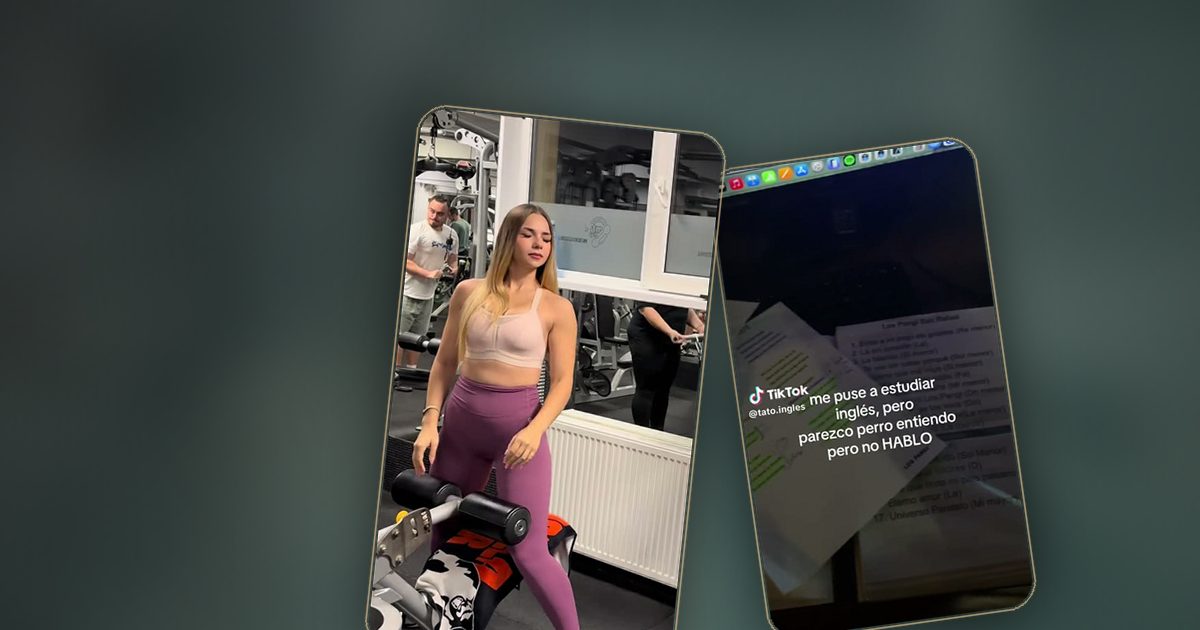
People decide to keep watching or swipe away before they understand what you are selling. The hook is the part of the video that earns the next five seconds. Nothing else matters if it fails.
A hook makes a promise
A good hook tells the viewer what they will get if they stay: a trick, a story, a result, a warning. The rest of the video simply pays that promise off. If the promise and the payoff do not match, viewers feel tricked and leave.
Five patterns that work
- The tool list. "Three apps I wish I had found sooner." It signals value and a clear structure.
- The secret feeling. "This feels like it should not be allowed." Curiosity with a hint of rule breaking.
- The problem mirror. Name the exact annoyance your viewer has right now.
- The before and after. Show the result first, then rewind.
- The honest warning. "Do not download this unless you are ready to…" Reverse psychology, used sparingly.
Put the product second
The strongest hooks are about the viewer, not the brand. If the product name is the first thing on screen, it looks like an ad and people skip it. Lead with the problem or the result, and bring the product in as the answer.
Match the visual to the words
Something should move in the first second: a cut, a gesture, text appearing. A still face with a long sentence is a swipe waiting to happen. Pair the line with a visual that proves it.
Test several hooks per idea
The body of a video can stay the same while you film three different openings. Brands love this because hook testing is where performance comes from. Offering it makes you more valuable than a creator who delivers one version.
Do not write a clever opener. Write a reason to stay.
Ready to get paid for your videos?
Apply once and we will match you with campaigns that fit your niche.
Apply as a creator