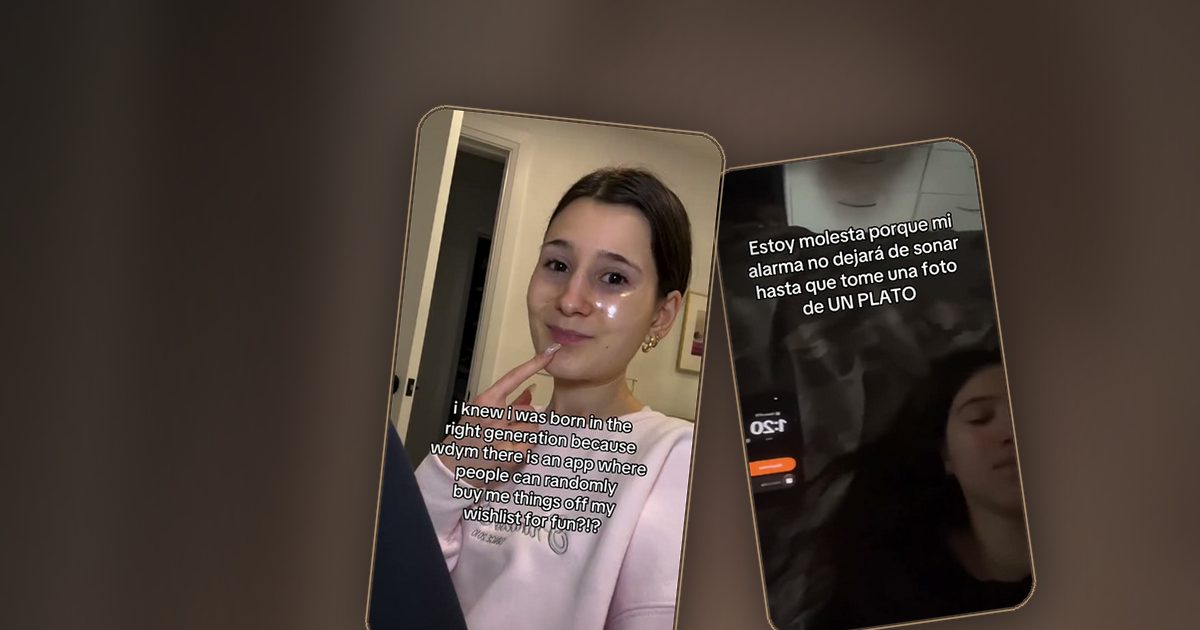
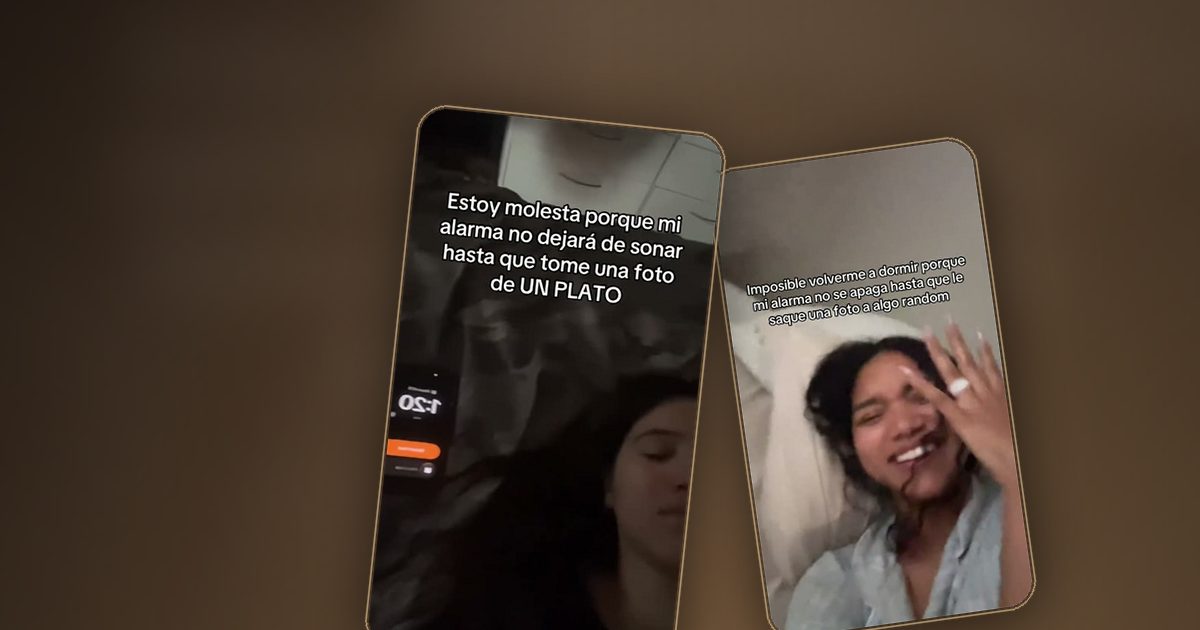
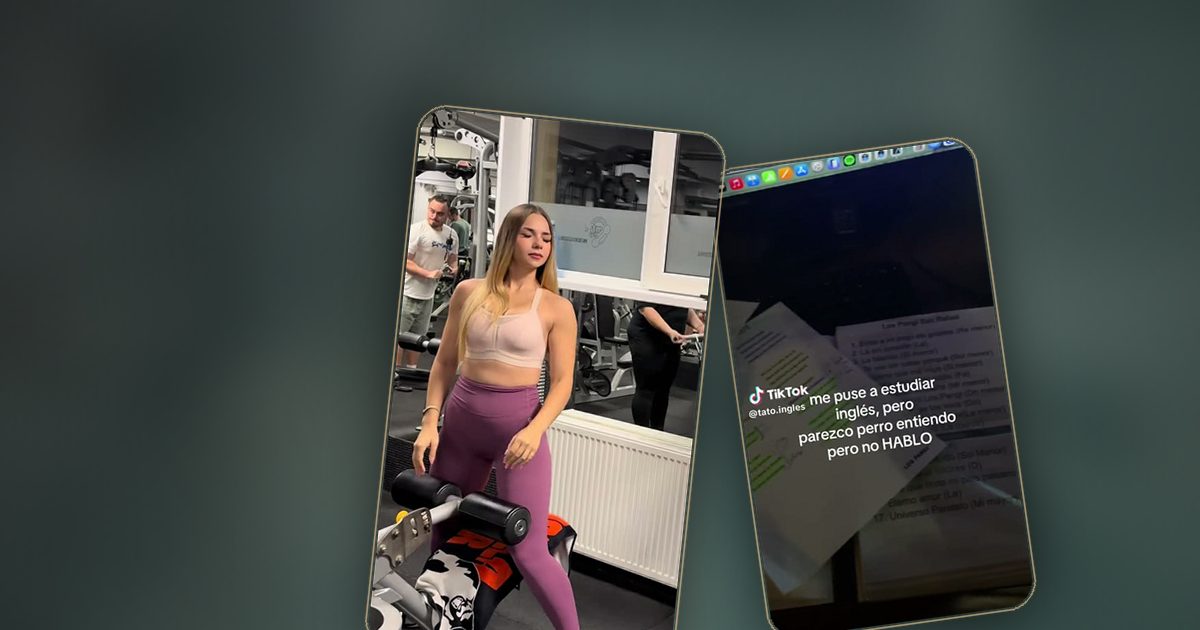
Where to find UGC creator jobs (and how to spot the bad ones)
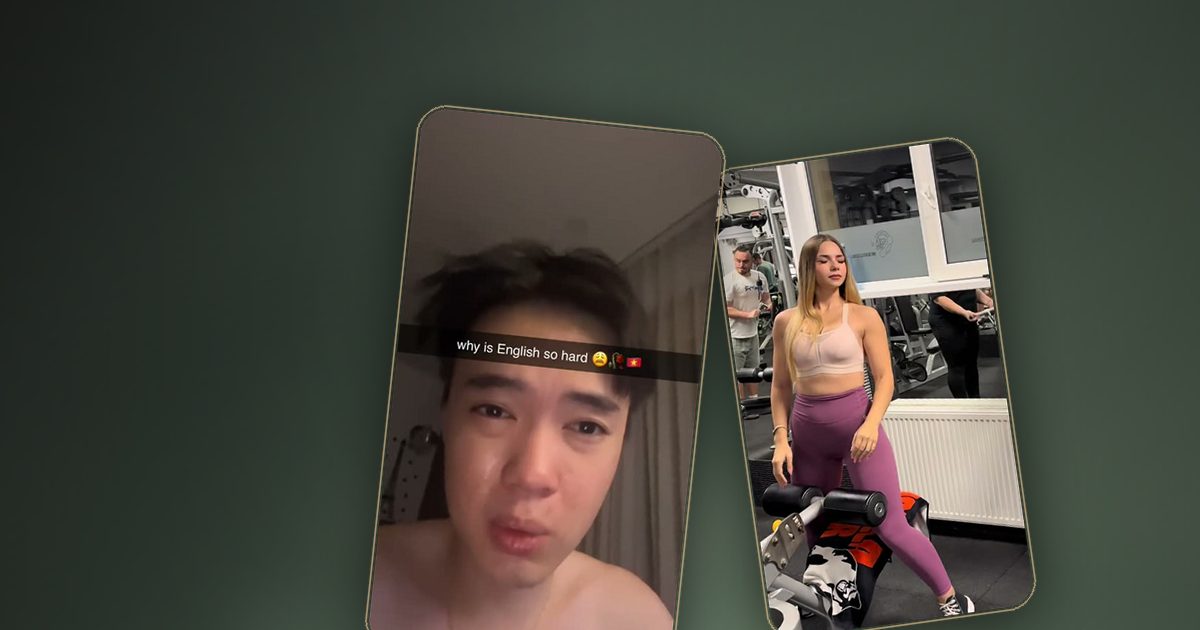
Most beginners search for "UGC jobs" and find a mix of real opportunities and noise. The work comes from four places. Knowing the differences saves you weeks.
1. Creator networks and agencies
Agencies run campaigns for many brands and need a steady supply of creators. You apply once, they match you to briefs, and they handle contracts and payment. It is the most efficient route for beginners. Our network works this way.
2. Creator marketplaces
Platforms where brands post jobs and creators apply. Competition is high, so a tight portfolio matters. Read what to put in a UGC portfolio before you apply.
Five marketplaces compared
These are the terms each platform publishes itself, checked on October 15, 2026. They change, so confirm on the platform before you apply. We have no commercial relationship with any of them.
| Platform | How you get work | Who can join | What it costs you | How you are paid |
|---|---|---|---|---|
| Billo | Browse brand offers and apply; the brand approves you. | Creators living in the US, Canada or UK, aged 18 or over. No professional experience or following required. | No monthly membership to browse or apply. Other fees are not stated on the page. | Twice a month through PayPal. |
| Insense | Apply to campaigns; a brand selects you, usually 5 to 10 business days after the campaign is posted. | At least 1,000 Instagram followers or 500 median TikTok views, 1% engagement and a UGC portfolio. Available in dozens of countries (its FAQ lists 22). | Free app. No commission rate is stated. | You set your rate. The brand's payment is held by Insense and released to your in-app wallet after the brand approves the content. |
| Collabstr | Brands order from your profile or you apply to campaigns. | Open signup; creators are verified. | Free to join. Collabstr takes a 15% commission on payouts. | Funds sit in escrow until the brand approves, then you withdraw through PayPal, bank transfer and other local methods. |
| Upwork | General freelance marketplace: you send proposals to jobs posted by clients. | Any freelancer; UGC is one category among many. | A service fee of 0% to 15% per contract, depending on the contract type and market conditions, fixed when you send the proposal. | Through Upwork, per the contract terms. |
| Fiverr | You list a gig and buyers order it, so you need to market your own listing. | Any freelancer; UGC is one category among many. | 20% of each sale, according to Fiverr's own guides. | Through Fiverr after the order is completed. |
How to read it: Billo and Insense are built for creator briefs and set clear entry rules. Collabstr and the freelance marketplaces take a visible cut of each payout, so price your rate with that in mind. Whatever you choose, apply with samples, not with a description.
3. Direct pitching
You pick a brand, make a sample video for it and send it. It takes more effort but gives you the most control. Lead with the video, not with a long introduction.
4. Communities and referrals
Founders ask for creators in communities, groups and replies on social platforms. Being helpful and visible there leads to inbound messages over time.
Red flags
- Asking you to pay to apply or to buy the product with no refund.
- No written brief, deadline or usage terms.
- "Exposure" instead of payment.
- Asking for unlimited usage rights forever without saying so clearly.
- Pressure to start immediately before any agreement.
Before you say yes
Confirm the deliverables, the deadline, where the videos will be used and how and when you will be paid. Our guide on UGC contract basics covers each point.
Ready to get paid for your videos?
Apply once and we will match you with campaigns that fit your niche.
Apply as a creator